

Introduction: Why Leeks Deserve More Attention
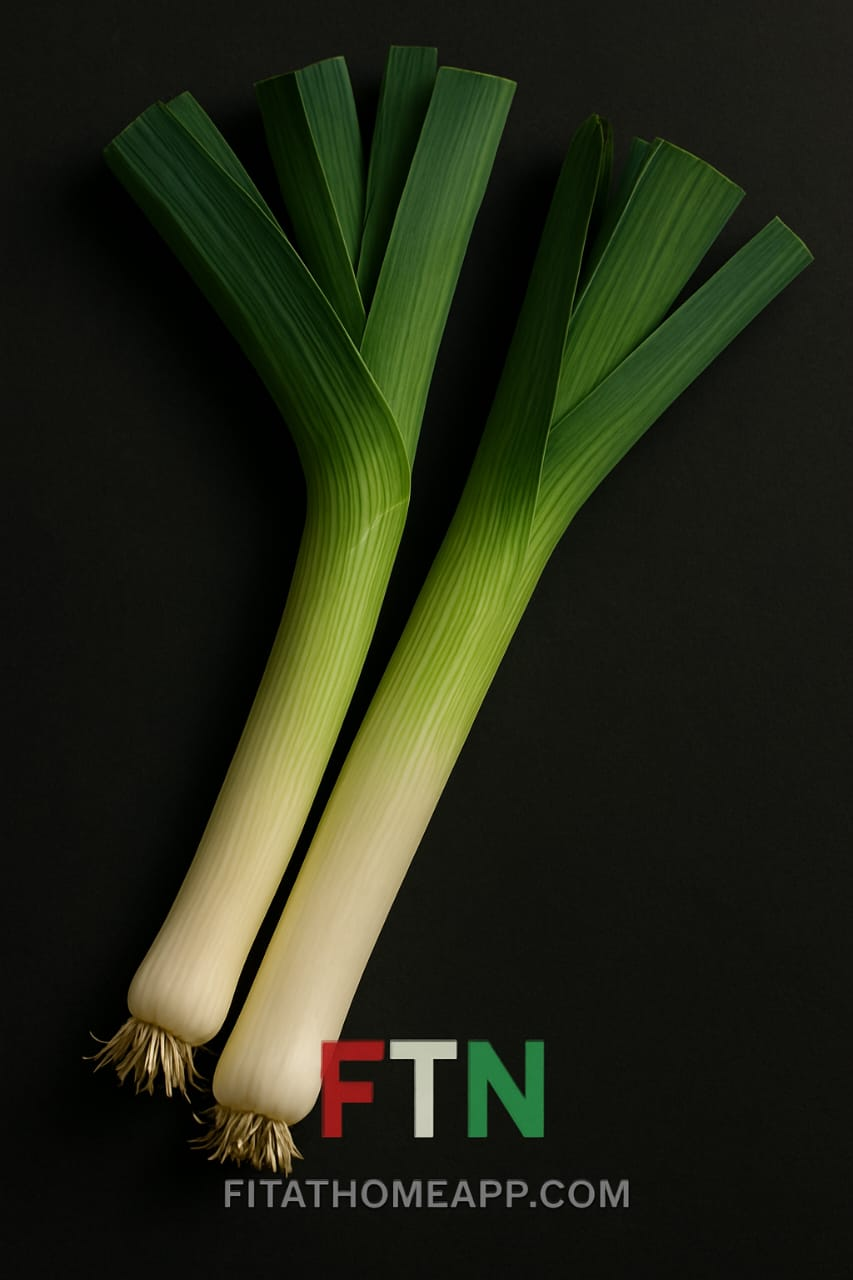
Leeks might not be the first vegetable that comes to mind when you think of healthy eating, but they absolutely should be. As a lesser-known member of the allium family—which includes onions, garlic, and chives—leeks offer a uniquely mild, sweet, and earthy flavor that enhances everything from soups to casseroles. Yet, in many American kitchens, leeks remain an underused gem, often passed over in favor of more familiar vegetables.
However, the nutritional benefits of leeks are gaining recognition as people become more health-conscious and adventurous with their cooking. Leeks are not only rich in flavor but also packed with essential nutrients and antioxidants, making them a fantastic addition to any balanced diet.
Nutritional benefits of leeks Power: What Makes Leeks a Superfood
Leeks are surprisingly nutrient-dense, offering a range of essential vitamins and minerals while being low in calories. Just one cup of cooked leeks contains:
Vitamin A: Supports vision and immune function.
Vitamin C: Acts as an antioxidant and helps the body fight off infections.
Vitamin K: Important for blood clotting and bone health.
Folate (Vitamin B9): Crucial during pregnancy and for cell regeneration.
Manganese and Copper: Aid in bone health, metabolism, and nervous system support.
Additionally, leeks are rich in antioxidants such as flavonoids and polyphenols, which help protect the body from inflammation and oxidative damage. One especially powerful antioxidant found in leeks is kaempferol, which has been studied for its potential to support heart health and fight chronic diseases.
They are also a good source of dietary fiber, which helps support a healthy digestive system and contributes to feeling fuller longer—making them a great choice for those managing their weight.
Leeks in the Kitchen: Easy and Delicious Uses
Leeks are incredibly versatile. Their mild flavor makes them a perfect companion to stronger ingredients, enhancing without overpowering. Here are a few delicious ways to enjoy leeks in your meals:
Classic Leek and Potato Soup: One of the most beloved leek recipes. It’s creamy, comforting, and ideal for cooler months. Add some herbs and a splash of cream for extra flavor.
Roasted Leeks: Slice them in half, drizzle with olive oil, season with salt and pepper, and roast until golden. This simple dish makes a great side to meats, fish, or grains.
Leek Quiche: A savory pie that pairs sautéed leeks with cheese and eggs in a flaky crust—perfect for brunch or lunch.
Leeks in Stir-Fries or Rice Dishes: Add chopped leeks to stir-fried vegetables or grain bowls for a flavorful twist.
Whether you use them raw in salads, sautéed in butter, or as part of a hearty casserole, leeks can elevate your cooking while adding key nutrients to your plate.
Leeks vs. Other Superfoods: A Worthy Competitor
You’ve heard a lot about kale, spinach, and quinoa—but how do leeks compare?
Kale is rich in vitamins A, C, and K—similar to leeks—but has a stronger, sometimes bitter flavor. Leeks provide many of the same nutrients with a gentler taste and better versatility in cooked dishes.
Quinoa is known for its protein content. While leeks aren’t high in protein, they are low in calories and full of fiber, making them a great complement in meals with grains.
Spinach offers iron and calcium, but leeks stand out with unique flavonoids that have anti-inflammatory benefits.
Bottom line: leeks may not always steal the spotlight, but they bring their own strengths to the table—especially in flavor, versatility, and gut-friendly properties.
The Gut Health Connection: Prebiotics in Leeks
One of the more unique benefits of leeks is their prebiotic content. Prebiotics are types of fiber that feed the good bacteria in your gut. A healthy gut microbiome is essential for digestion, immune function, and even mood regulation.
Leeks contain inulin, a type of prebiotic fiber that helps encourage the growth of beneficial gut bacteria. Regularly eating foods rich in prebiotics, like leeks, can improve digestion, reduce bloating, and support overall gut health.
Growing and Choosing Leeks
Interested in adding fresh leeks to your meals? You can either grow them at home or buy them at your local market. Here are some tips:
At the store: Choose leeks that are firm with bright green tops and white stems. Avoid any that feel slimy or have wilted leaves.
At home: Leeks grow best in cool weather. Plant them in well-drained soil with plenty of sunlight. They take a few months to mature, but the reward is worth it. As they grow, cover the stems with soil to keep the lower parts white and tender.
Growing your own leeks is not only satisfying but can also save money and reduce your environmental footprint.
Environmental Impact: A Sustainable Choice
Leeks are relatively easy to grow and require fewer resources compared to other crops. Because they’re hardy and don’t need excessive watering or fertilizing, they can be a sustainable choice for farmers and home gardeners alike.
Buying local leeks supports nearby farms and cuts down on the environmental cost of long-distance food transport. And since leeks are in season during cooler months, they make a great winter veggie to support seasonal eating.
Cultural Roots: Leeks Around the World
Did you know that the leek is a national symbol of Wales? It has been worn by Welsh soldiers for centuries and is still celebrated today on St. David’s Day, a Welsh national holiday. In France, leeks are a staple of traditional cuisine, used in dishes like vichyssoise (a cold leek and potato soup) and braised leeks.
Leeks also play a role in Middle Eastern and Mediterranean dishes, where their delicate flavor is used to enrich stews, grain dishes, and meat-based recipes. From Europe to the Levant, leeks have a culinary legacy that spans cultures and generations.
Potential Concerns (And How to Avoid Them)
While leeks are generally safe for most people, there are a few things to keep in mind:
Allergies: Individuals who are sensitive to other allium vegetables (like onions or garlic) might experience allergic reactions to leeks, although this is rare.
Digestive Issues: Leeks contain fructans, which can cause bloating or discomfort in some people with IBS or sensitive stomachs.
Vitamin K: Leeks contain vitamin K, which can interfere with blood-thinning medications. If you’re on such medications, consult your doctor before significantly increasing leek consumption.
In most cases, leeks are safe and beneficial—but like anything, they should be consumed in moderation as part of a varied diet.
Conclusion: Why You Should Start Eating More Leeks
It’s time to give leeks the recognition they deserve. They’re delicious, nutritious, versatile, and eco-friendly—making them a smart choice for anyone looking to eat better without sacrificing flavor. Whether you’re making a cozy soup or experimenting with a plant-based dish, leeks bring something special to the table.
As American diets continue to shift toward health-focused and sustainable eating habits, leeks fit in perfectly. By incorporating leeks into your meals more often, you’re not just trying something new—you’re investing in your health and supporting a more sustainable food system.
So next time you’re at the grocery store, don’t pass by the leeks. Pick a few up, try a new recipe, and discover why this humble vegetable is finally getting the attention it’s always deserved.
Personal Take on the Video
This video, “Leeks: The Secret Superfood for Your Health!”, delivers a concise and engaging overview of why leeks deserve serious attention. It highlights their immune-boosting, prebiotic, and nutrient-rich qualities
Antioxidant & Anti-Inflammatory Power
Leeks are rich in health-supporting flavonoids—especially quercetin and kaempferol—which may protect against heart disease and neurodegenerative conditions.
Cancer-Protective Potential
Diets rich in allium vegetables, including leeks, are linked to significant reductions in breast and stomach cancer risk.
Gut Health & Prebiotic Fiber
Leeks are an excellent source of inulin—a prebiotic fiber that supports gut microbiome balance, intestinal health, and potentially lowers colorectal cancer risk.
Cognitive and Vision Benefits
High in lutein and zeaxanthin, leeks may boost cognitive performance and protect eye health due to their role in retinal health.
Winter Vegetable Star
Ideal for cold-season nutrition, leeks contribute key vitamins and antioxidants during months when produce variety is limited.
Comparison between Leeks and Onions
| Aspect | Leeks | Onions |
|---|---|---|
| Flavor | Mild, sweet, and subtle earthy flavor | Stronger, sharper, sometimes pungent taste |
| Nutritional Benefits | Rich in vitamins A, C, K, folate, and antioxidants like kaempferol, supports heart and gut health | High in vitamin C, antioxidants like quercetin, supports immune system and reduces inflammation |
| Calories | Low in calories, about 54 per cup cooked | Slightly higher calories, about 64 per cup cooked |
| Fiber Content | Good source of dietary fiber and prebiotics (inulin) which support gut health | Also high in fiber but contains less inulin, offers good digestive benefits |
| Culinary Uses | Ideal for soups, stews, quiches, and mild dishes | Used in a wide variety of dishes, adds strong flavor in cooking, raw or caramelized |
| Health Impact | Supports heart health, reduces inflammation, promotes gut bacteria growth | Supports immune function, anti-inflammatory, may help lower blood sugar levels |
| Digestive Sensitivity | Contains fructans which may cause bloating in sensitive individuals | Also contains fructans; may cause digestive issues in some people |
Frequently Asked Questions About Leeks
What are the key nutritional benefits of leeks?
How can eating leeks improve my digestive health?
Are leeks suitable for people with sensitive stomachs or allergies?
What are the best ways to cook and enjoy leeks to maximize their health benefits?
Can leeks help support heart health and reduce inflammation?
How do leeks compare nutritionally to other vegetables in the allium family?
[…] Powerful Connection Between Garlic and Leeks: Unlocking Their Nutritional […]